Rob
T. Lee
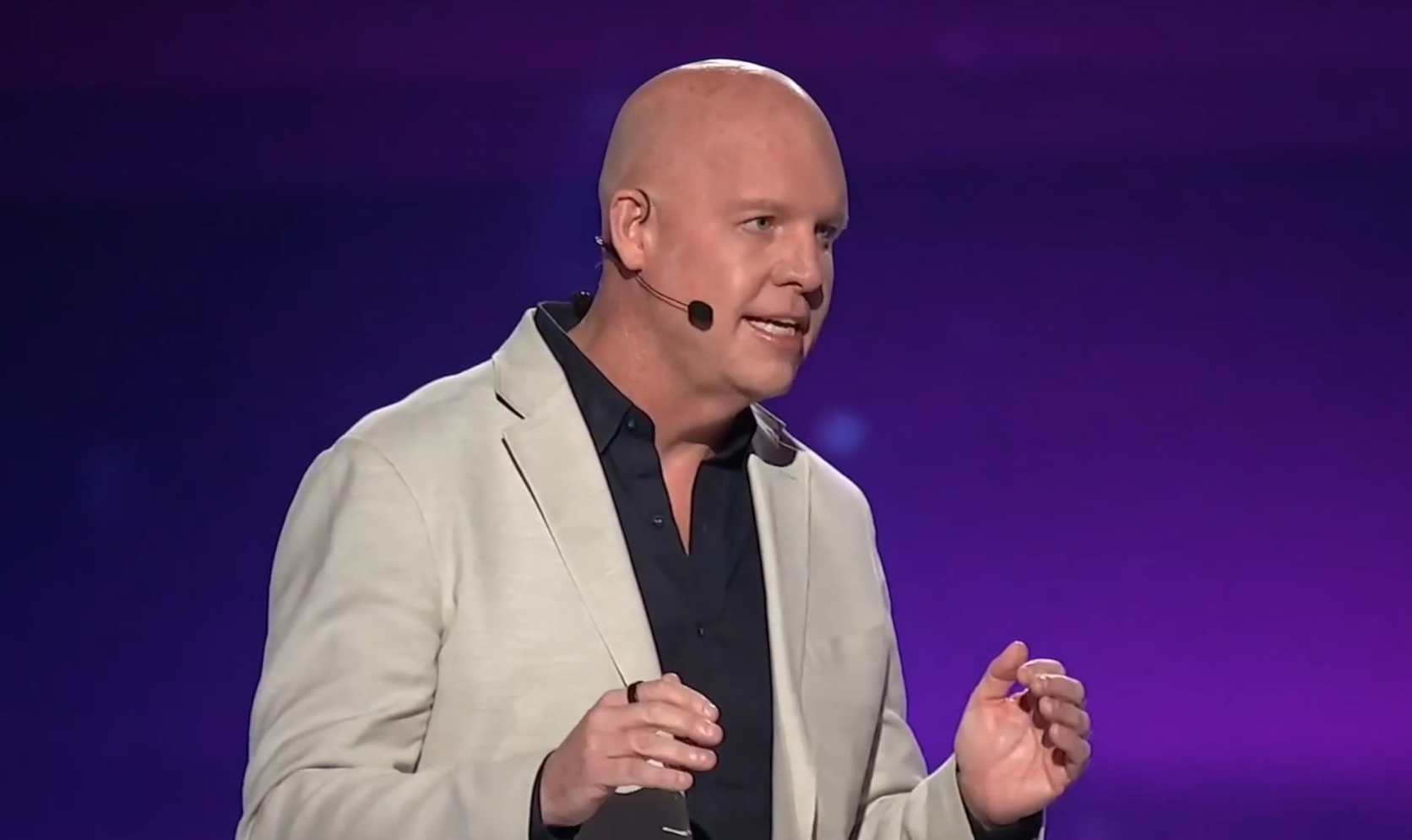
Chief AI Officer at SANS and the godfather of DFIR, he helps businesses adopt AI securely— where AI security and cybersecurity go hand in hand, and you can't forgo either.













Latest
Post-Mortem: The OpenAI and Hugging Face Breach
A fully autonomous attack, reviewed by the responders who lived through it.
Your AI tools may refuse to help mid-incident.
Deception just got cheap and effective.
Someone must be able to shut a high-risk agent down.
Selected Writing
All writing →- 01Cloud Security Alliance · 2026
The AI Vulnerability Storm
Machine-speed exploitation, a 13-item risk register, and 11 priority actions for security leaders.
- 02SANS Institute · 2026
The Secure AI Blueprint
Protect, Utilize, Govern — a three-pillar model for adopting AI without losing control.
- 03Substack · 2026
The Framework of No: Why Your Security Team Is Killing Your AI Momentum
How traditional security approaches drive shadow AI adoption — and what to do instead.
- 04robtlee.com · 2026
Sunlight AI: A Governance Framework That Works in 30 Days
Practical steps to move from shadow AI chaos to working governance without 18-month frameworks.
- 05Dark Reading · 2026
AI Chat Data: History's Most Thorough Record of Enterprise Secrets
Why AI conversation logs represent an unprecedented security challenge for organizations.
Recent Highlights
Keynotes & media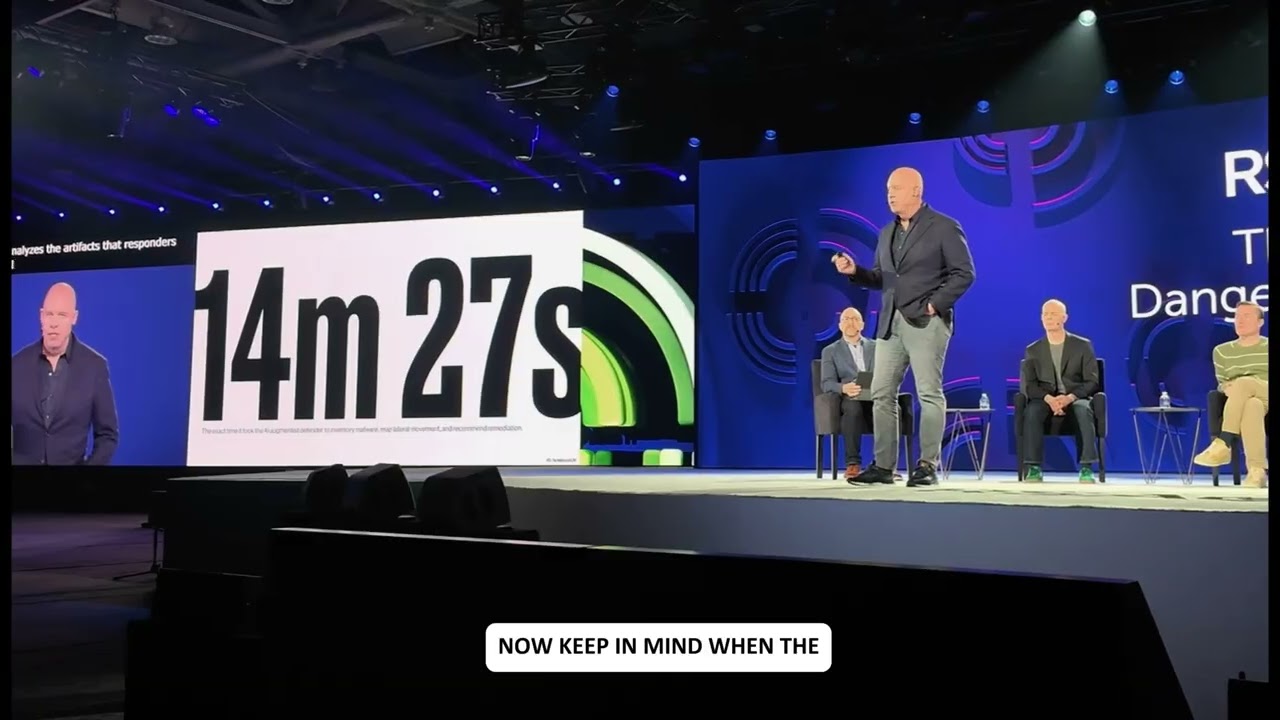
![[un]prompted Conference — Claude Code on SIFT Workstation](https://hebbkx1anhila5yf.public.blob.vercel-storage.com/image-uZ5wwHaaqTcGhzgWdcvXjicbzDM31s.png)

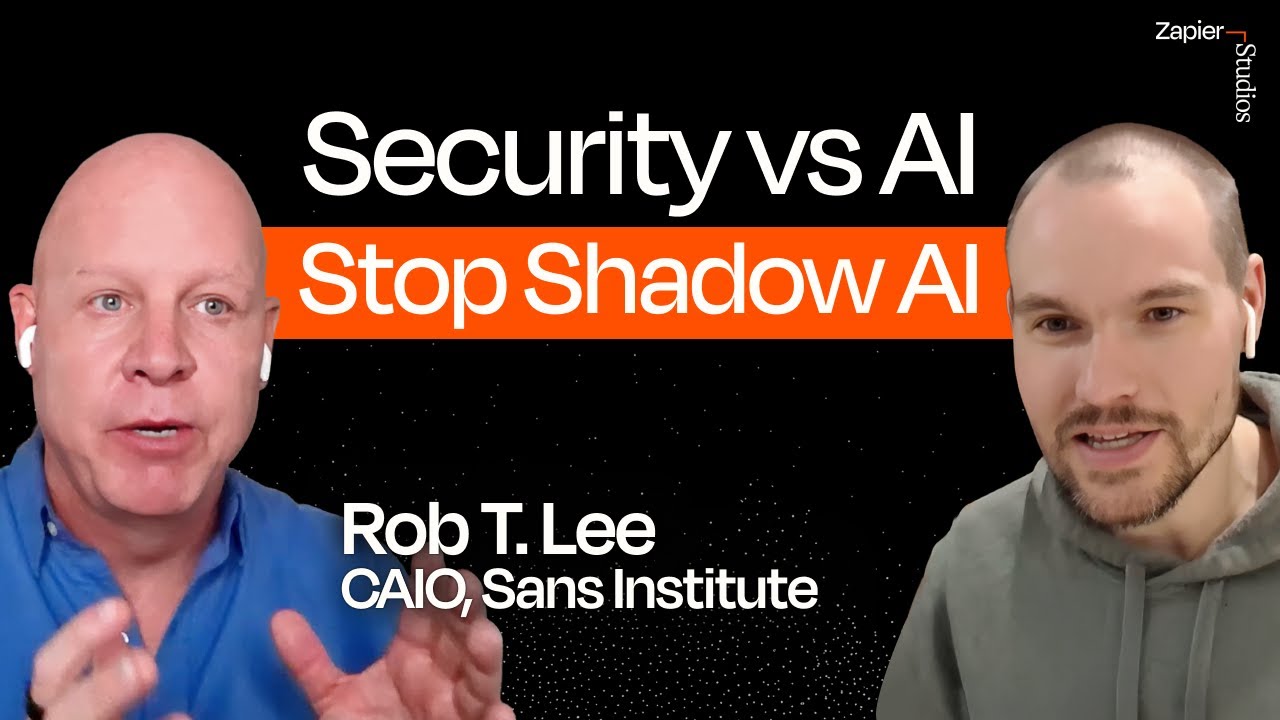
SANS Leadership
Chief of Research · Chief AI OfficerDefined how modern incident response works, shaped national-security policy, and trains the teams defending the world's most critical systems.
Shadow AI Research
Methodologies for discovering and managing unauthorized AI deployments across the enterprise.
AI Governance Frameworks
Comprehensive frameworks for responsible AI implementation and compliance.
Adversarial AI Defense
Attack vectors and defense strategies for securing AI systems in production.
AI Risk Management
Risk assessment methodologies built for real enterprise AI deployments.
Rob leads the world's most trusted AI security training and research at SANS — developed by practitioners, for practitioners.
Visit the SANS AI Security HubThe Approach
Protect · Utilize · GovernOwning AI securely means addressing all three dimensions at once. Protecting AI without utilizing it leaves capability on the table. Utilizing it without governance risks chaos. And governance without technical protection creates a false sense of security.
Protect AI
Defend models, applications, and data pipelines from tampering, poisoning, prompt injection, and other adversarial techniques — from development through deployment.
Utilize AI in Cybersecurity
Integrate AI into SOC workflows, threat hunting, and incident analysis to improve detection, response, and resilience — matching attacker speed and scale.
Govern AI
Translate complex AI regulations into actionable governance frameworks boards can implement — clear structures, real compliance, aligned with enterprise risk.
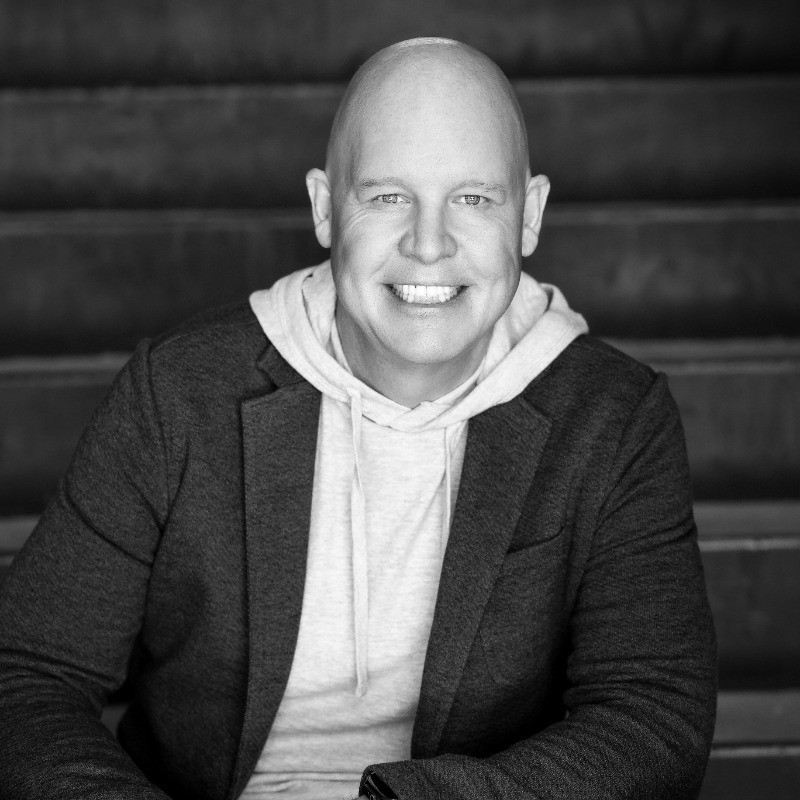
Twenty years turning how the world investigates digital crime into how it will defend against autonomous AI.
A former U.S. Air Force officer who later served with the NSA and CIA, Rob is Chief AI Officer and Chief of Research at SANS Institute and a Technical Advisor to the Foreign Intelligence Surveillance Court. He created the SIFT Workstation, coined the terms DFIR and CTI, and has trained more than 100,000 professionals.
Full biographySpeaking
Themes he returns toBoards can't pretend to understand AI. They have to learn.
A clear language and structure for AI literacy at the board level — from someone who has built the programs and read the breach reports.
AI moves fast. Governance can't lag.
What adoption actually looks like when tools get ahead of policy, and how to set guardrails early without killing momentum.
Attackers don't wait for your next planning cycle.
How adversaries already use AI to scale attacks and break defenses — drawn from national-security and incident-response work.
The workforce you need is already behind.
What readiness looks like across SOCs, C-suites, and startups, from decades spent building the global cyber workforce.
Sleep. Diet. Exercise. AI.
Occasional, practical notes on leading secure AI transformation.